MENA Forex Brokerage Licensing: A Complete Guide for 2025
Launching a forex brokerage in the Middle East or North Africa? Here's the full regulatory landscape: ADGM, DFSA, CySEC passporting, and which jurisdictions make sense for your business model.
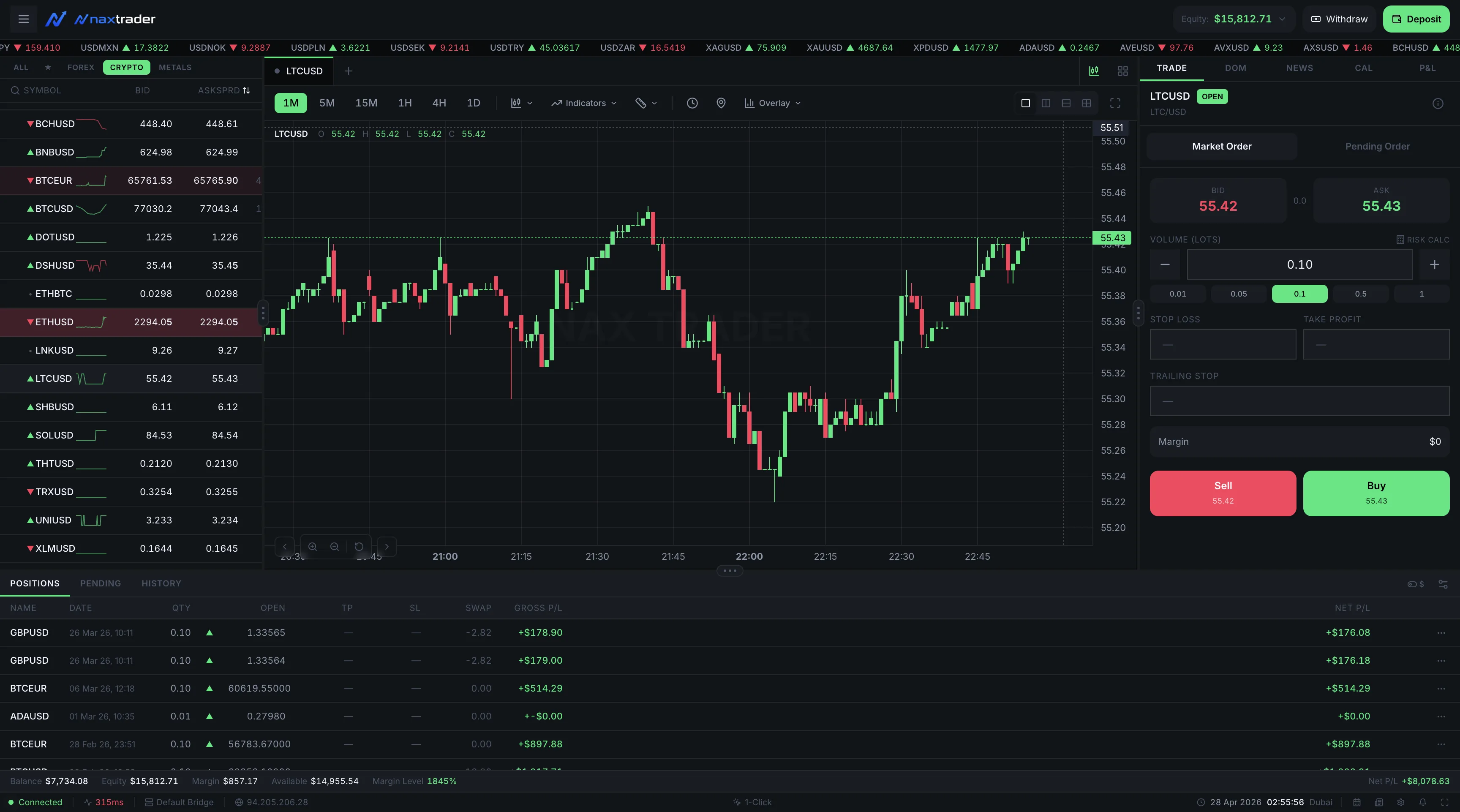
Why MENA is the fastest-growing forex market
The Middle East and North Africa region accounted for an estimated $2.1 trillion in daily forex trading volume in 2024 — up from $1.4 trillion in 2020. Several structural factors are driving this growth:
- Young, digitally native population. 60% of the MENA region is under 30. This cohort has grown up with smartphones and is comfortable with digital financial products.
- Currency volatility awareness. In countries like Egypt, Turkey, and Lebanon, ordinary citizens have lived through significant currency devaluations. Forex and commodities trading are understood as hedging tools, not just speculation.
- Oil wealth concentration. GCC countries — Saudi Arabia, UAE, Qatar, Kuwait, Bahrain, Oman — have high levels of investable wealth concentrated in a relatively small population. Retail investment platforms compete aggressively for this demographic.
- Regulatory maturation. ADGM (Abu Dhabi) and DFSA (Dubai) have built internationally respected regulatory frameworks that attract serious operators. This legitimises the industry and attracts larger, better-capitalised brokerages.
Key regulatory bodies in the MENA region
ADGM — Abu Dhabi Global Market (UAE)
The Abu Dhabi Global Market Financial Services Regulatory Authority (FSRA) is arguably the most rigorous and internationally respected regulator in the region. An ADGM licence is recognised as a credible credential in Europe, Asia, and Australia — making it useful beyond the MENA market itself.
Category 3C licence (the standard retail forex/CFD licence) requires:
- Minimum capital: $250,000 USD (Category 3C)
- Local presence: physical office in Abu Dhabi Global Market (Al Maryah Island)
- Approved persons: at least two UAE-resident senior approved individuals
- Client money segregation: mandatory, with quarterly audits
- Typical licensing timeline: 4–9 months
Ongoing costs include annual FSRA fees (starting at $15,000/year for Category 3C), compliance officer salary, and audit costs. Total annual operating overhead once licensed is typically $80,000–$200,000 depending on complexity.
DFSA — Dubai Financial Services Authority (DIFC)
The Dubai International Financial Centre's regulator, DFSA, is equally respected to ADGM. The DIFC operates as a separate legal jurisdiction within Dubai — companies incorporated in DIFC are governed by English common law, not UAE civil law, which many international operators find familiar.
Category 3C (Forex/CFD) requirements:
- Minimum capital: $500,000 USD
- Local presence: office space within the DIFC free zone
- Annual fee: approximately $17,000–$25,000 depending on activities
- Approved persons: similar requirements to ADGM
- Typical timeline: 6–12 months
DFSA is generally considered slightly more prestigious than ADGM in institutional circles, but also more expensive and time-consuming to obtain.
SCA — Securities and Commodities Authority (UAE mainland)
The SCA governs financial services on the UAE mainland (outside ADGM and DFSA free zones). An SCA licence allows you to operate locally for UAE mainland clients, but the SCA is generally viewed as less internationally recognised. Most internationally-focused brokerages choose ADGM or DFSA over SCA.
CMA — Capital Markets Authority (Saudi Arabia)
Saudi Arabia's CMA regulates investment activities for the Saudi market. Foreign brokerages cannot directly offer services to Saudi retail clients without CMA authorisation. The regulatory environment is evolving rapidly under Vision 2030, with new forex licensing categories introduced in 2023–2024. A licensed brokerage looking to specifically target Saudi HNW clients should engage a local legal counsel familiar with CMA requirements.
FSA — Financial Services Authority (Labuan, Malaysia)
While not technically a MENA regulator, Labuan FSA (Malaysia) is popular among brokerages targeting MENA clients. It offers:
- Low capital requirement: $150,000 USD
- Licensing fee: $7,500 USD
- Quick setup: 3–5 months
- Ability to serve MENA, SEA, and emerging markets clients
Labuan is a legitimate but less prestigious jurisdiction. It's often used as a stepping stone while applying for ADGM or DFSA, or for lower-risk business models.
CySEC passporting into MENA — what's actually possible
Many brokerages serving MENA clients operate with CySEC (Cyprus) licences. CySEC provides EU regulatory passporting — but this only covers European Economic Area countries. It does not provide regulatory authorisation to actively market to UAE, Saudi, or Egyptian retail clients.
The practical reality: thousands of CySEC-licensed brokerages serve MENA retail clients in a regulatory grey area — the client initiates the relationship, the brokerage doesn't actively market in-country. This is increasingly scrutinised by ADGM and DFSA, which have been more aggressive about requiring proper local licensing.
"We operated with CySEC for four years serving UAE clients. When we started seeing complaints escalated to ADGM, we realised the reputational risk wasn't worth it. Getting ADGM licensed took eight months but it transformed how institutional partners viewed us."
— CEO, Dubai-headquartered retail FX broker
Arabic language and localisation requirements
Technical localisation matters as much as regulatory compliance in MENA. Key considerations:
- Right-to-left (RTL) interface support. Your trading platform must properly support RTL text rendering. This is not just font support — the entire layout logic (sidebar positions, input field alignment, navigation flow) must be mirrored.
- Arabic customer support. Both ADGM and DFSA expect brokerages to provide client-facing communications in Arabic. This means Arabic live chat, Arabic email templates, and Arabic-language onboarding flows.
- Sharia-compliant swap-free accounts. Islamic swap-free accounts are a standard requirement for MENA brokerages. The platform must support swap-free configurations at the account level with proper overnight cost alternatives.
- Local payment methods. Credit card penetration varies significantly by country. UAE, Saudi, and Qatar have high card usage; Egypt and Morocco are more cash-heavy. Supporting local payment processors and e-wallets (Paytabs, HyperPay, Fawry for Egypt) is important for conversion.
Platform considerations for MENA expansion
When evaluating trading platforms for MENA market entry, the key criteria differ from purely Western markets:
- Native Arabic language support — not just translation files, but proper RTL rendering tested by native speakers
- Islamic/swap-free account type built into the platform natively
- Multi-currency account support — AED, SAR, EGP, and USD are all commonly used
- Mobile-first experience — smartphone usage in MENA is above global average; the mobile app must be fully white-labelled
- Low-latency server options in the region (Dubai, Bahrain AWS regions)
Recommended path for MENA market entry
Based on conversations with 20+ brokerages that have successfully launched in the MENA region, a practical phased approach looks like:
- Phase 1 (months 1–3): Begin ADGM or DFSA application process. Simultaneously engage local legal counsel and begin finding approved-person candidates. Choose platform technology and begin localisation.
- Phase 2 (months 4–9): Licence application in progress. Complete Arabic localisation, set up local entity, open corporate bank account (allow 2–3 months for UAE banking).
- Phase 3 (months 8–12): Soft launch with invited clients while awaiting final licence approval (where regulators permit this). Begin building IB network and regional partnerships.
- Phase 4 (post-licence): Full public launch with regulated entity. Scale marketing spend, add regional IB tiers, expand to adjacent markets (Saudi, Egypt) with appropriate regulatory coverage.
Common mistakes MENA market entrants make
The most frequent mistakes we see from brokerages entering MENA:
- Assuming CySEC is sufficient for long-term MENA operation
- Underestimating UAE banking setup timelines (corporate accounts in UAE typically take 2–4 months)
- Treating Arabic as a single market — Saudi Arabic, Egyptian Arabic, and Gulf Arabic are meaningfully different in tone and vocabulary
- Ignoring Islamic finance requirements and adding swap-free accounts as an afterthought after launch
- Choosing platform technology that doesn't natively support RTL
The MENA region represents one of the clearest growth opportunities in retail forex for the next decade. Getting the regulatory and technology foundations right from the start determines whether you can scale efficiently or spend years retrofitting compliance onto a system that wasn't built for it.